 関係代名詞の中にthink / believe などが入る形
これは入試でも読解でも非常に重要な形です。見た目は複雑ですが、基本は 「関係代名詞+挿入された think / believe など+述語」 と考えると分かりやすいです。
基本形:The man who I think is honest is my teacher.(私が正直だと思っているその男性は、私の先生です。)この who は think の目的語ではありません。本来は I think [he is honest]. で、その he が先行詞 the man と同じなので who になっています。つまり、the man ← who I think [_ is honest]。空所は is honest の主語です。
▶️ think「〜と思う」:The student who I think will win the prize is in my class.(私が賞を取ると思っている生徒は私のクラスにいる。)= I think he will win the prize.
▶️ believe「〜だと信じる」:The woman who I believe is responsible for the project is absent today.(そのプロジェクトの責任者だと私が考えている女性は今日欠席している。)= I believe she is responsible.
▶️ suppose「〜だと思う」:The man who I suppose is her father is waiting outside.(彼女の父親だと思われる男性が外で待っている。)= I suppose he is her father.
▶️ expect「〜すると予想する」:The student who we expect will pass the exam has studied very hard.(合格すると私たちが予想している生徒は、とても熱心に勉強してきた。)= We expect he/she will pass.
▶️ know「〜だと知っている」:The person who I know is capable of doing the job has applied.(その仕事ができると私が知っている人物が応募してきた。)= I know he/she is capable.
▶️ assume「〜だと仮定する・思い込む」:The man who we assumed was the manager turned out to be a customer.(私たちがマネージャーだと思っていた男性は、実は客だった。)
▶️ imagine「〜だと思う・想像する」:The woman who I imagined was his wife was actually his sister.(彼の妻だと思っていた女性は実は妹だった。)
consider「〜だと考える」:The candidate who we consider is most suitable has extensive experience.(私たちが最も適任だと考える候補者には豊富な経験がある。)ただし whom we consider to be … の形も非常に重要。
▶️ say「〜だと言う」:The man who they say is the best surgeon in the city works at this hospital.(市内で最高の外科医だと言われている男性はこの病院で働いている。)= They say he is the best surgeon.
claim「〜だと主張する」:The scientist who they claim discovered the new element denied the report.(新元素を発見したと彼らが主張している科学者は、その報道を否定した。)
▶️ report「〜だと報告する」:The company which experts report is facing financial difficulties denied the rumor.(専門家が財政難に直面していると報告している会社は、その噂を否定した。)
▶️ predict「〜すると予測する」:The candidate who analysts predict will win the election gave a speech.(アナリストが当選すると予測している候補者が演説した。)
▶️ hope「〜だと期待する」:The person who we hope will lead the team has accepted the offer.(チームを率いてほしいと私たちが期待している人物が申し出を受け入れた。)
🔹特に重要なのは、関係代名詞の直後に I think / I believe などがあるため、who を think の目的語だと勘違いしないことです。たとえば the man who I thought was a doctor は、構造として the man [who I thought [_ was a doctor]]。「私はその男を医者だと思った」ではなく、元になる文は I thought [he was a doctor]. です。したがって who = was の主語です。
🔹 一方、こちらは別構造です。The man whom I met yesterday=I met him yesterday. この whom は met の目的語。それに対して The man who I thought was a doctor=I thought he was a doctor. この who は was の主語です。この違いが最大のポイントです。
🔹読解では、who / which + S + think / believe / suppose / say / expect + V を見たら、まず S think [who ___ V…] のように挿入部分を外して読むと一気に簡単になります。たとえば The theory which many scientists believe explains the phenomenon is controversial. → many scientists believe をいったん外す → The theory which explains the phenomenon is controversial.(その現象を説明すると多くの科学者が考えている理論には議論がある。)つまり which の本当の相手は explains です。
🔹よく出るものをまとめると、who/which + I think / believe / suppose / assume / imagine / know / expect / predict / say / claim / report + V がこのパターンです。特に who I think is ~ / who I thought was ~ / who I believe will ~ / who they say is ~ / who we expect will ~ は頻出です。
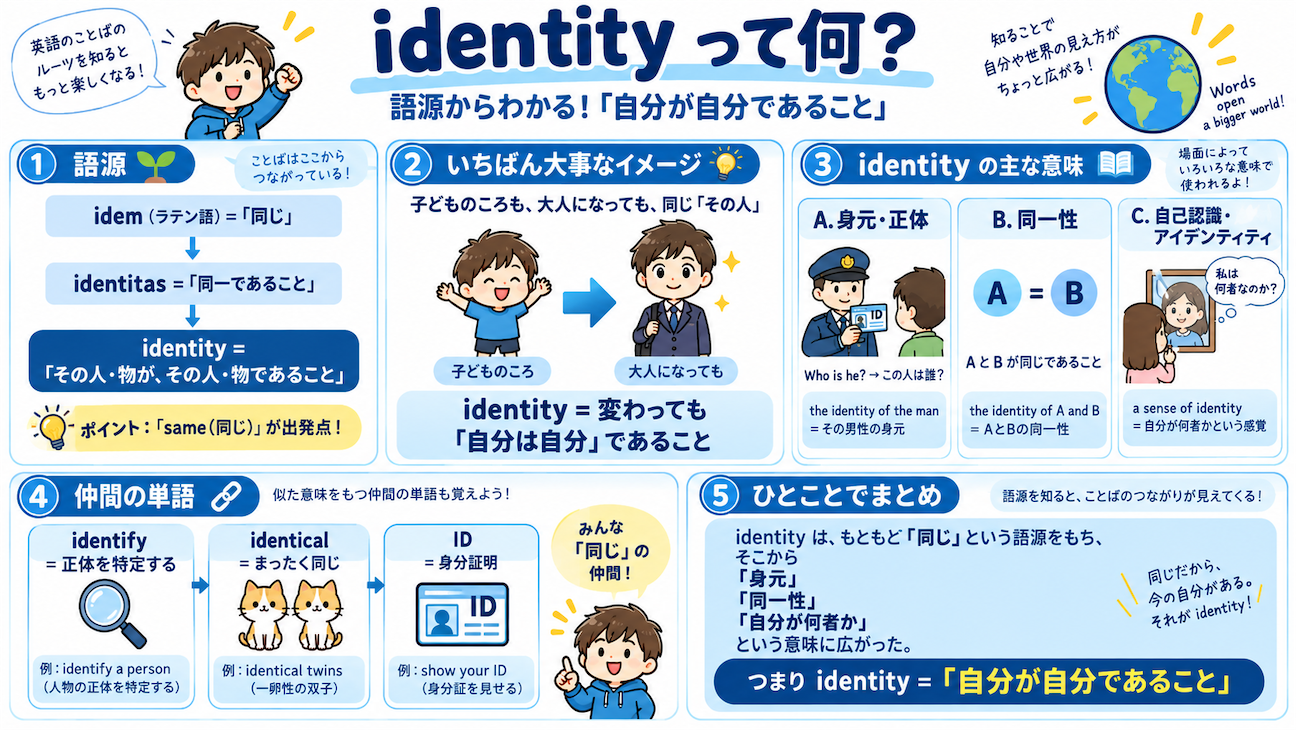 identityって何?
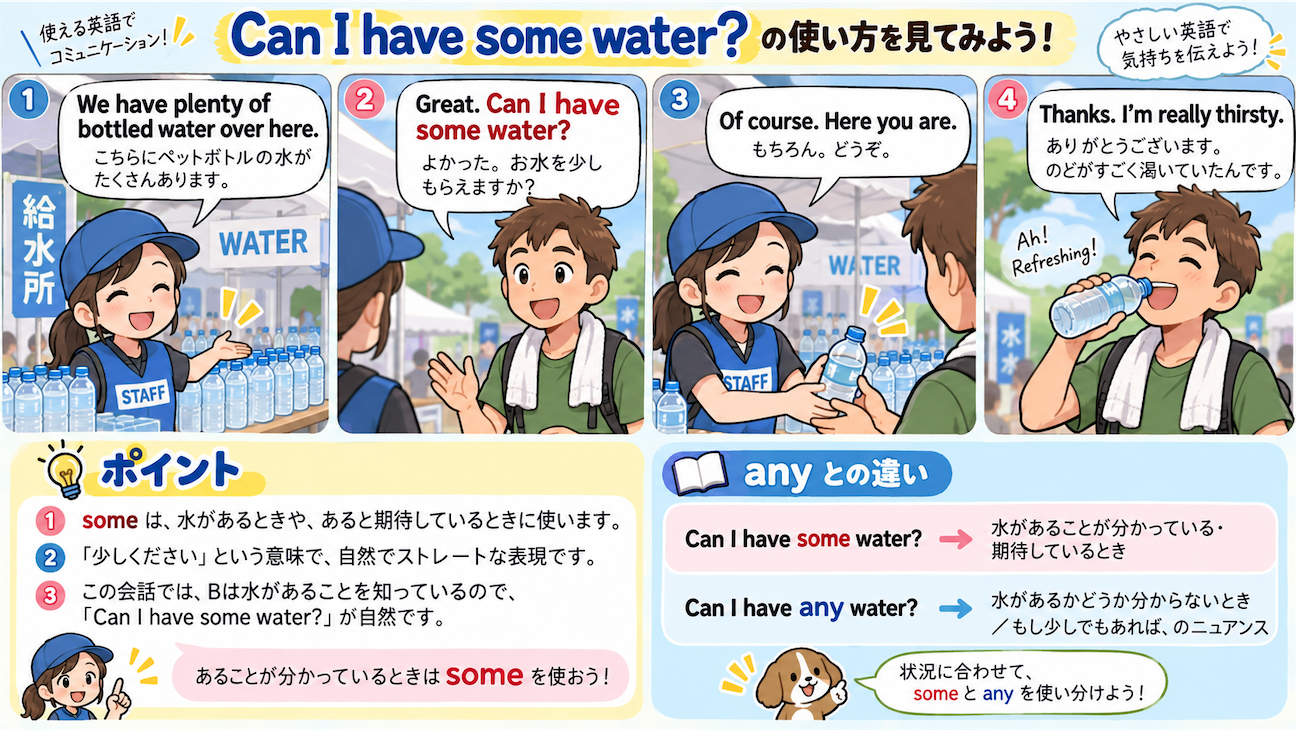 Can I have some water?
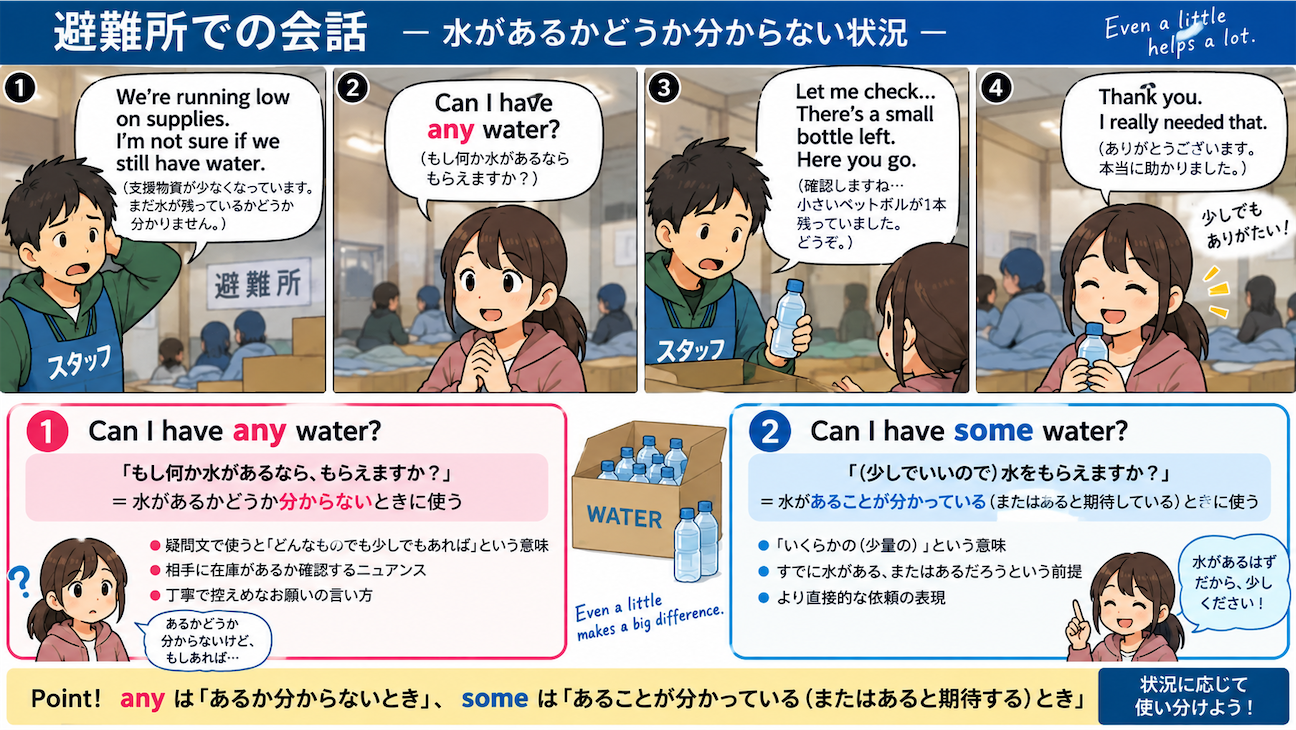 Can I have any water?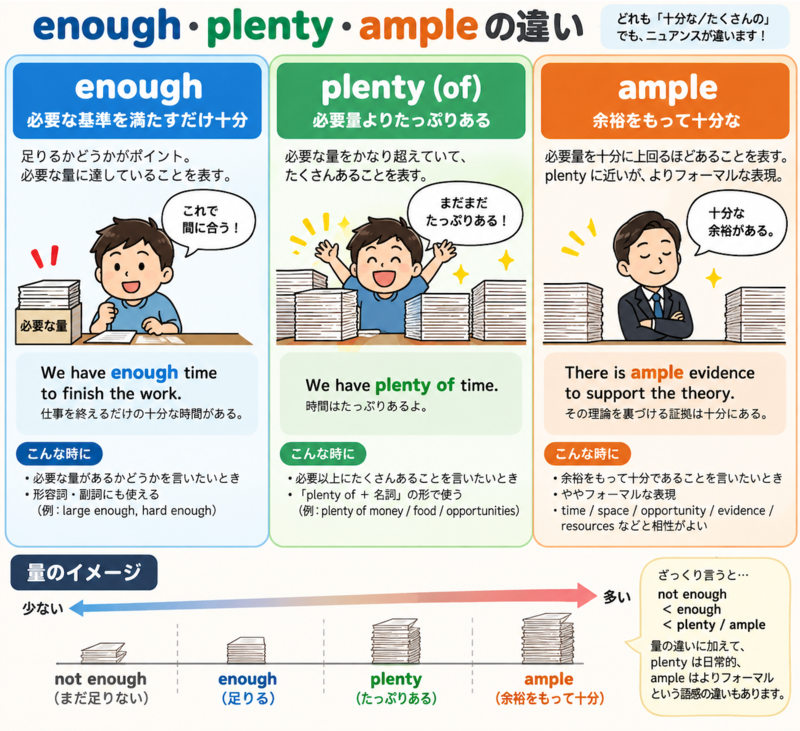
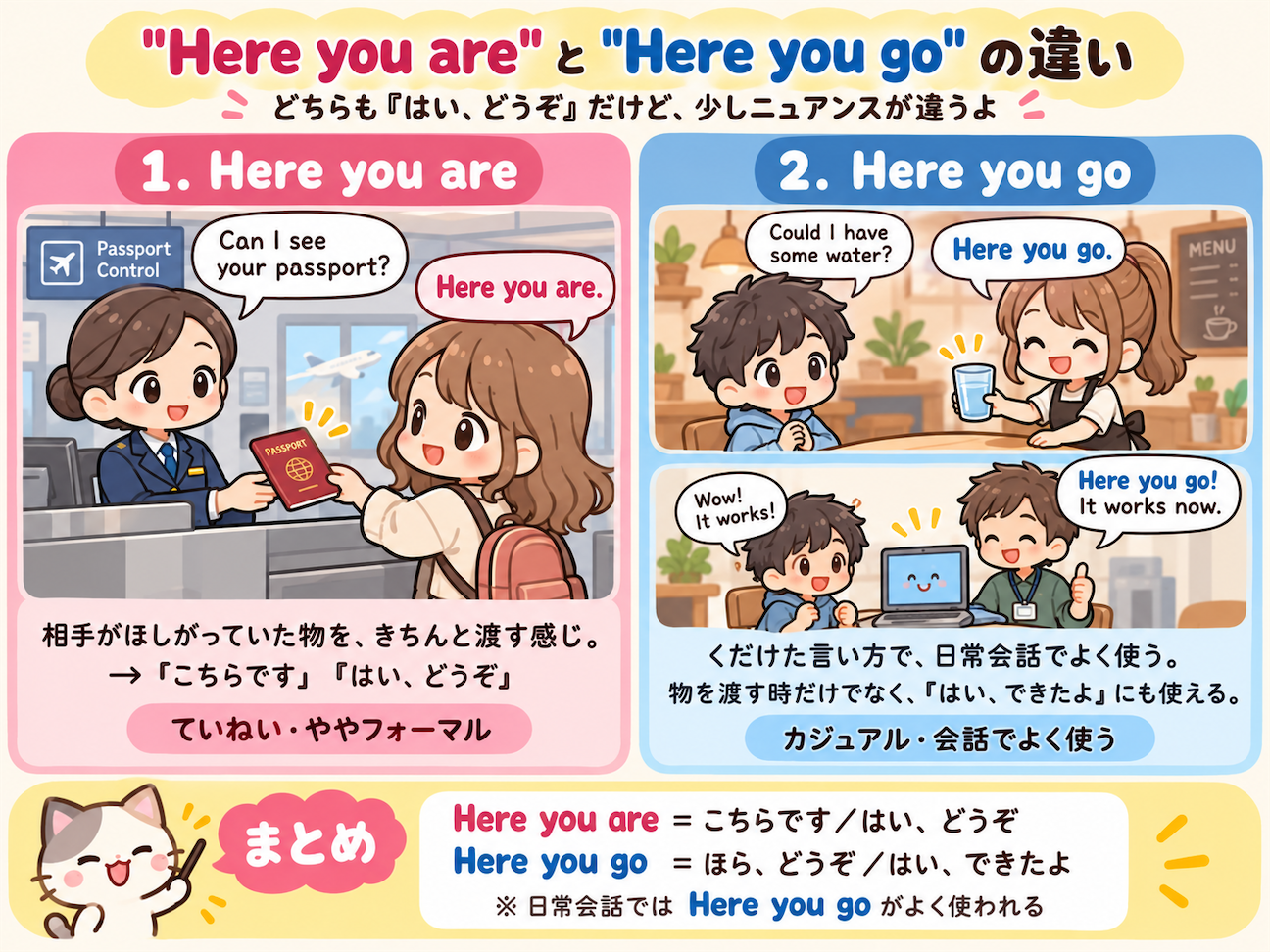 Here you are. とHere you go.